

Protect What Matters Most
Creating an estate plan is one of the most meaningful ways to care for your loved ones and secure your legacy. We’re here to ensure everything is handled thoughtfully — with precision, transparency, and genuine support.


You spent a lifetime building your wealth. Spend a moment securing its future.
Estate planning is about protecting what you’ve built for the people you love. It’s a strategic roadmap that ensures your investments, deposits, property, and legacy pass to your heirs smoothly, without legal hurdles or family disputes. By organizing your affairs today, you ensure tax efficiency & financial security for your dependents. In short, you decide your legacy, so the law doesn’t have to.

Key Benefits of Estate Planning
You spent a lifetime building your wealth. Spend a moment securing its future.
Estate planning is about protecting what you’ve built for the people you love. It’s a strategic roadmap that ensures your investments, deposits, property, and legacy pass to your heirs smoothly, without legal hurdles or family disputes. By organizing your affairs today, you ensure tax efficiency & financial security for your dependents. In short, you decide your legacy, so the law doesn’t have to.
- Custom Distribution: You decide who gets what (house, gold, land) based on need or sentiment, rather than equal legal splits.
- Dependent Security: Ensure ageing parents, disabled siblings, or young children are financially protected.
- Conflict Prevention: A clear Will eliminates misunderstandings and legal fights among relatives.
- Simplified Probate: Save your family from the delays of court-issued certificates and multiple claims.
- Business Continuity: Ensure a smooth legal transfer of your practice or business to your chosen successor.
- Tax Efficiency: Use lifetime gifting or trusts to structure assets effectively and avoid future tax complications.
Our Services
Custom estate planning solutions to protect your family and your wealth.
Who Should Opt for Our Estate Planning Services?
Whether you’re a young professional, a growing family, or a seasoned business owner, our estate planning services are tailored to secure your legacy and protect your loved ones.

Ultra HNIs
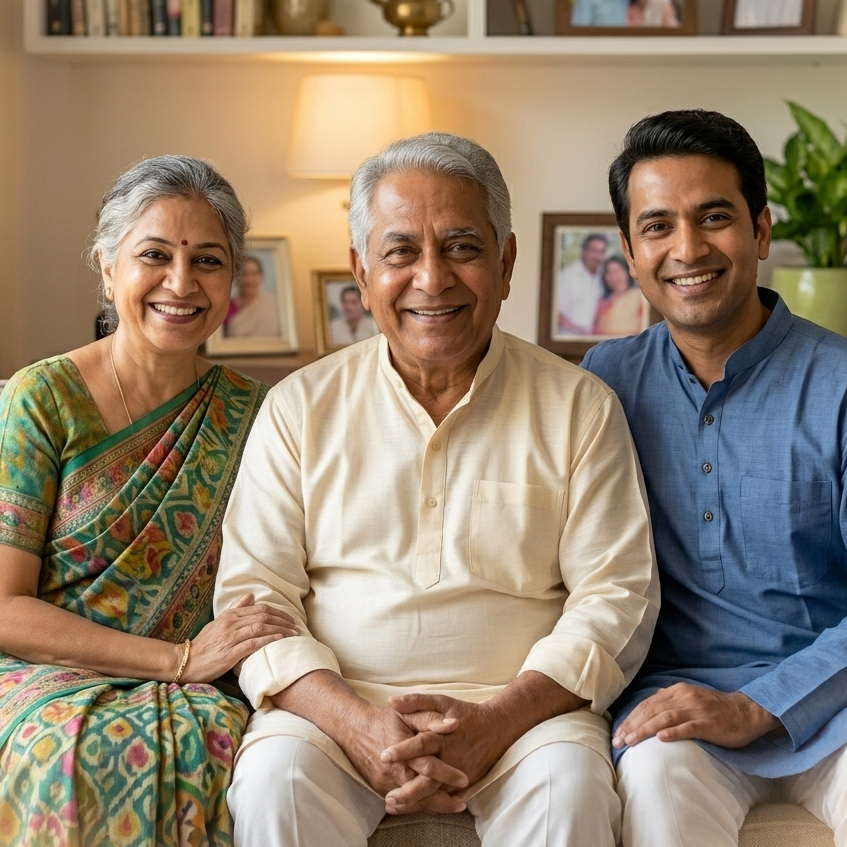
Senior Citizens and Retirees

NRIs Managing Indian Assets

Business Owners and Entrepreneurs

Guardians, Single Parents

Divorced Individuals
Let's Connect
Leave a message
Contact Us
Address: Simply 3 Finserv Pvt. Ltd. Sco 49-50, 4th floor, Maxon Tower, Urban Estate Phase-II, Jalandhar, Punjab-144022
Frequently Asked Questions
1. What is estate planning and why is it important in India?
2. Is writing a will necessary for someone with limited assets?
3. What documents are needed for will registration?
To register a will in India, you typically need:
- Identity proof (Aadhaar, PAN, etc.)
- Address proof
- Details of assets and beneficiaries
- The signed will document
- Two witnesses with valid ID proofs
4. How to register a trust in India?
To register a trust:
- Draft a trust deed outlining objectives, trustees, and beneficiaries
- Choose an appropriate name for the trust
- Get the deed printed on stamp paper
- Register it at the local Sub-Registrar office
- Obtain PAN and open a bank account for the trust
5. What is the difference between a will and a trust?
6. Is a power of attorney valid across Indian states?
7. Can NRIs create wills for Indian properties?
8. What is a gift deed and when should I use it?
9. Are gift deeds taxable?
Gift deeds are generally tax-free if given to close relatives (as defined under income tax laws). However, gifts received from non-relatives above a certain value may be taxable in the hands of the recipient.
10. How long does it take to write a will or register a trust?
- Writing a will can take a few hours to a few days, depending on complexity
- Registering a will is optional and can be completed in a day
- Setting up a trust may take 1–2 weeks, including documentation and registration